

Booked a stump removal and wondering what to do next? Smart preparation helps the crew finish faster, protects your yard, and prevents surprise costs. Whether you just handled tree cleanup near me after a storm or you’re finishing a planned removal, these four expert tips will set your visit up for success.
This guide is written for homeowners who want a smooth, safe, and predictable appointment. You’ll learn how to ready the work zone, handle utility locates, get pricing clarity, and care for the area afterward so it’s level, clean, and ready for grass or a new planting.
Who This Guide Helps (and Why Timing Matters)
- You recently removed a tree and need the stump gone so kids can play and mowing is easy.
- A storm forced emergency work, and you’re tying up loose ends before winter.
- You’re selling or renovating, and you want a flat, finished yard with no tripping hazards.
Fall and early winter can be ideal for finishing stump work: cooler temps are easier on turf, and having the area level now prevents water pooling and freeze-thaw damage later. If the stump sits high or close to a walkway, acting sooner keeps your property safer.
Get a fast quote and scheduling window with 855TREEMAN stump grinding.
Tip #1 — Prepare the Work Zone Like a Pro
Grinding machines range from compact walk-behinds to tow-behind units. All of them need a clear path and stable footing.
Access width, gates, and ground conditions
- Measure the narrowest point from driveway to stump (gates, AC units, fence corners). A typical compact grinder needs about 36 inches of clearance; tow-behind or larger machines need more.
- Check grade and soil. If the area is saturated or rutted, let your estimator know; crews may bring mats to protect turf.
- Park off-site if possible. Save driveway space for equipment and chip handling.
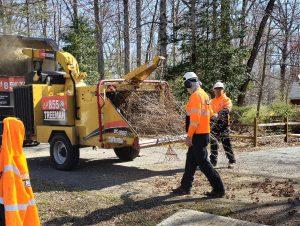
What to move the day before
- Yard decor, toys, and planters within a 10–15 ft radius.
- Stones, bricks, and pavers that could contact the cutter wheel.
- Pets and gates: secure them indoors; keep gates unlocked but latched so the crew can open safely.
- Mark any surface hazards with flags: old metal stakes, wire, edging. The grinder throws chips; removing small projectiles improves safety.
A tidy, obstacle-free zone reduces risk, speeds up the job, and can reduce billable time.
Tip #2 — Safety First: Utilities, Irrigation, and Hidden Lines
The stump is only part of the picture. Roots and old trunk flare can overlap buried services.
How utility locates work (811)
In the U.S., call 811 (or submit online) to request a free locate of public utilities—gas, electric, water, sewer, and telecom to the meter. Locators mark the ground with paint/flags, usually within a few business days. Grinding typically happens inside the stump footprint, but it can extend beyond as roots are chased; markings ensure safe depth and direction.
Private lines: sprinklers, lighting, dog fences
Public locates do not mark private systems after the meter. That includes:
- Sprinkler lines and heads
- Low-voltage lighting
- Septic lines and laterals
- Invisible pet fences
- Pool conduits and landscape drains
Walk your yard and flag what you know, or provide a sketch. Share it with your crew ahead of time. For added peace of mind, some homeowners hire private locators for critical features. Good communication prevents avoidable damage and delays.
Pro tip: If you’re unsure where a sprinkler head is, run the zone briefly and watch for pop-ups. Cap or mark the head nearest the stump.
Tip #3 — Quote Clarity: Depth, Debris, and Day-Of Expectations
Clear pricing avoids surprises. A solid quote explains how deep, how wide, and what happens to the chips.
What “standard” grinding usually covers
- Depth: Many services grind 6–10 inches below grade for mowing and replanting flexibility. Some jobs require deeper work for replanting trees or structural footings—confirm your goal so the crew can set expectations.
- Diameter: Grinding typically includes the stump flare and a halo of surface roots. If you have large lateral roots lifting a walk or driveway, ask whether chasing those is included or priced per foot.
- Obstructions: Old metal, rocks, and embedded debris slow the job and can dull teeth. Flag anything you can see; unexpected obstructions may be billed as extras.
Chips removal, haul-away, and add-ons
- By default, many crews leave chips on site neatly piled or raked level. Chips are a mix of wood and soil and can settle; some clients keep them as mulch.
- Haul-away is often an add-on since it requires extra labor and disposal. If you prefer a clean backfill with topsoil delivered and seed/straw installed, request that in your quote.
- Multiple stumps can be priced together; bundling often reduces the per-stump cost.
Day-of expectations
- Noise is comparable to a chipper or mower; most jobs finish in 1–2 hours per average stump, depending on size and access.
- Crews will rake and tidy the work zone. If you purchased haul-away or backfill, they’ll complete those steps before leaving.
Want an itemized estimate? Reach out through Contact and ask for depth, debris handling, and any restoration in writing.
Tip #4 — Post-Grind Aftercare That Prevents Sinkholes
Grinding turns the stump into wood chips mixed with soil. As chips decompose and settle, the spot can dip.
Backfill, soil settling, and reseeding
- Immediately after grinding, either keep chips as mulch or have them partially removed and backfill with topsoil.
- Mound the area slightly (1–2 inches above surrounding grade) to account for settling over the next few rains.
- Seed and straw for a lawn finish, or lay sod once the area is level and firm.
- Check the spot again in 2–4 weeks. Add more soil if needed, then reseed thin areas.
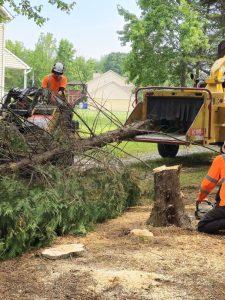
Replanting or hardscaping next steps
- If you plan to replant a tree, choose a new location a few feet away from the ground stump to avoid leftover root mass and disease carryover.
- For patios or paths, have the hole fully emptied of chips, filled with compactable base, and topped with your finish (pavers, concrete, stone) to prevent future settlement.
For science-based guidance on grinding, chip management, and restoration considerations, see the University of California’s overview of stump grinding methods and follow-up actions: UC ANR WeedCUT: Stump Grinding.
How a Professional Stump Grinder Service Saves Time and Money
DIY grinders can look tempting, but they’re heavy, unforgiving, and slow on hardwoods or big diameters. Professionals bring sharp teeth, experience with hidden obstructions, and a plan for chips, soil, and finish work. You get a flatter, cleaner result with less risk to irrigation, utilities, and nearby plantings.
Wrapped up storm work or tree cleanup near me and just need the finishing touch? A scheduled grinder visit turns the last obstacle into a flat, usable space—ready for grass, a play set, or a clean line for mowing.
Ready to Schedule?
Finish the job with confidence. Get a clear scope, a fair price, and a clean result with 855TREEMAN stump grinding. Prefer to talk about details? Request a quick call through Contact and ask for access notes, utility timing, and cleanup options.
FAQs
How deep should a stump be ground?
For most lawns, 6–10 inches below grade is typical so you can level soil and grow grass. Replanting a tree or building a hardscape may require deeper or wider grinding—ask for that in your quote.
Do I need to be home during the service?
Not always. If access is arranged and hazards are marked, crews can work while you’re away. Make sure gates are unlocked, pets are inside, and vehicles are parked clear of the area.
Will stump grinding damage my yard?
Crews use boards or mats when needed and rake the area on completion. Saturated soil can rut; if your lawn is soft, mention it so the team can plan protection or reschedule for firmer ground.
What happens to all the wood chips?
You can keep chips for mulch, have them spread in place, or request haul-away for an extra fee. Many homeowners keep some chips and add topsoil to finish grade.
How soon can I replant?
You can plant shrubs or perennials in backfilled soil once the area is firm. For a new tree, pick a nearby spot outside the old root zone to give roots fresh, uncompacted soil.
